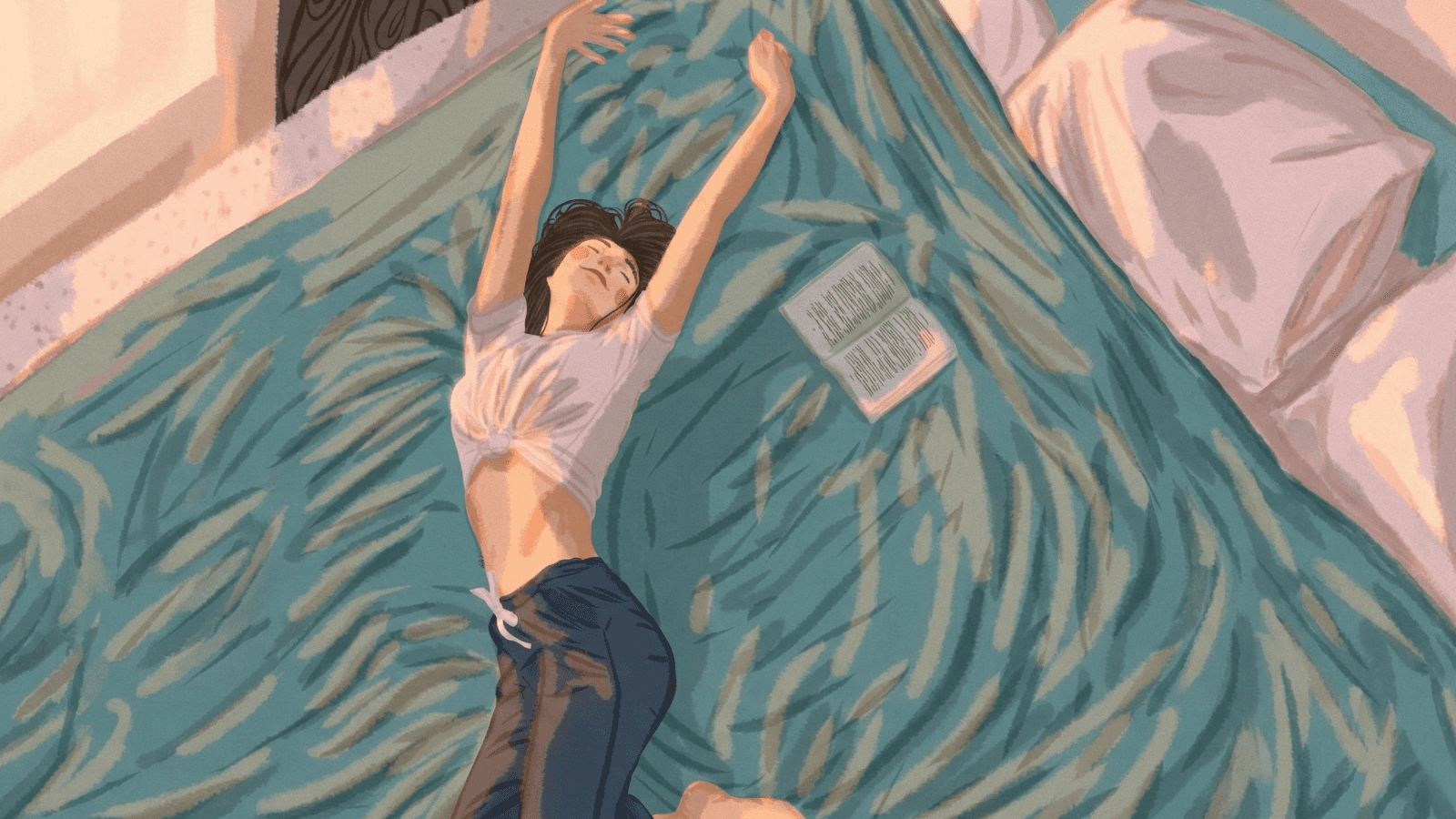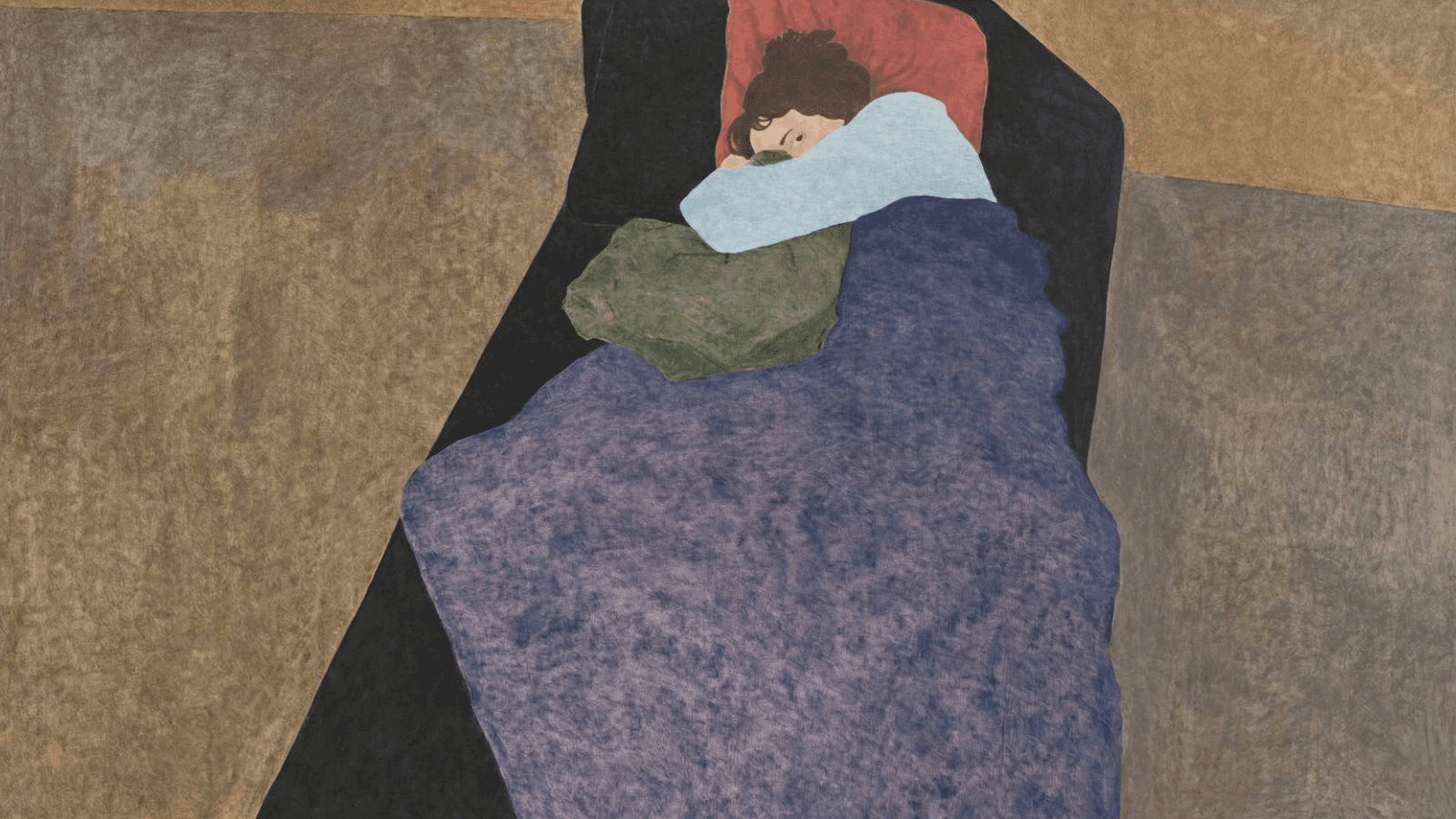

Most women respond to a life crisis—a breakup, a career collapse, or a personal betrayal—by immediately slashing calories. We think that by restricting food, we can regain control over a life that feels like it’s spinning out. But if your nervous system is already redlining, a diet isn't a solution. It’s a secondary stressor that tells your body to hold on even tighter.
I remember that overwhelming feeling, where every small decision felt like a mountain. I was desperate to shed the weight I’d gained from years of "comfortable" neglect in my marriage, but trying to diet while I was already emotionally depleted just made things worse. I was starving, stressed, and looking puffier by the day. I didn't realize that my body wasn't being stubborn; it was being protective.
The Deficit as a Danger Signal
To a regulated, calm body, a calorie deficit is a manageable challenge. But to a body already flooded with cortisol, a deficit looks like a famine. Your brain doesn't distinguish between "I want to fit into my old jeans" and "There is no food available in a crisis."
When you layer a restrictive diet on top of high life stress, your adrenal glands work overtime. This causes your body to shift into a conservation state. Instead of burning stored energy, it slows down your metabolic rate, increases water retention, and ramps up hunger signals to "save" you from what it perceives as a double emergency. This is why you can eat 1,200 calories a day and still feel bloated and soft.
Safety Over Starvation
Body composition shifts when the system feels stable enough to release resources. If you are constantly in "fight or flight," your physiology is focused on survival, not aesthetics.
When I was designing the foundational phases of the Post Break Up Glow Up Plan, I insisted on moving away from the "restriction" model. You cannot force a stressed body to lean out. You have to convince it that the emergency is over. This requires predictable fueling—eating enough protein and minerals so your nervous system stops sending out the "conserve" signal.
The Regulation Pivot
If you want to see visible change, you have to stop the internal war. This means prioritizing regulation over a deficit until your baseline settles.
Stop the Fasting: If your cortisol is already high, skipping breakfast is just another spike of stress.
Support the Adrenals: Focus on salt, potassium, and magnesium—the minerals that stress drains from your system.
Eat for Safety: Real, whole meals at consistent times tell your brain that the "scarcity" phase is over.
Once the internal environment feels safe, the body stops hoarding fluid and energy. The "stubborn" weight begins to move because the biological need to protect you has vanished.
Most people stay stuck in a cycle of "rebound weight gain" because they treat the weight as the problem instead of the stress. I built the Post Break Up Glow Up Plan to bridge this gap by stabilizing your nervous system first. [Explore the 12-Week Plan]. Not ready for 12 weeks? Start with the Free 30 Day Glow Up Project [here].