The #DivorceGlowUp hashtag has millions of views on TikTok for a reason. You’re scrolling and you see it: a woman in a dimly lit bathroom, looking gray and hollowed-out, suddenly replaced by a clip of her thriving. This isn't just about revenge hair dye or a better gym membership. You’re watching a nervous system that has finally stopped freaking out and moved back into a state of safety.
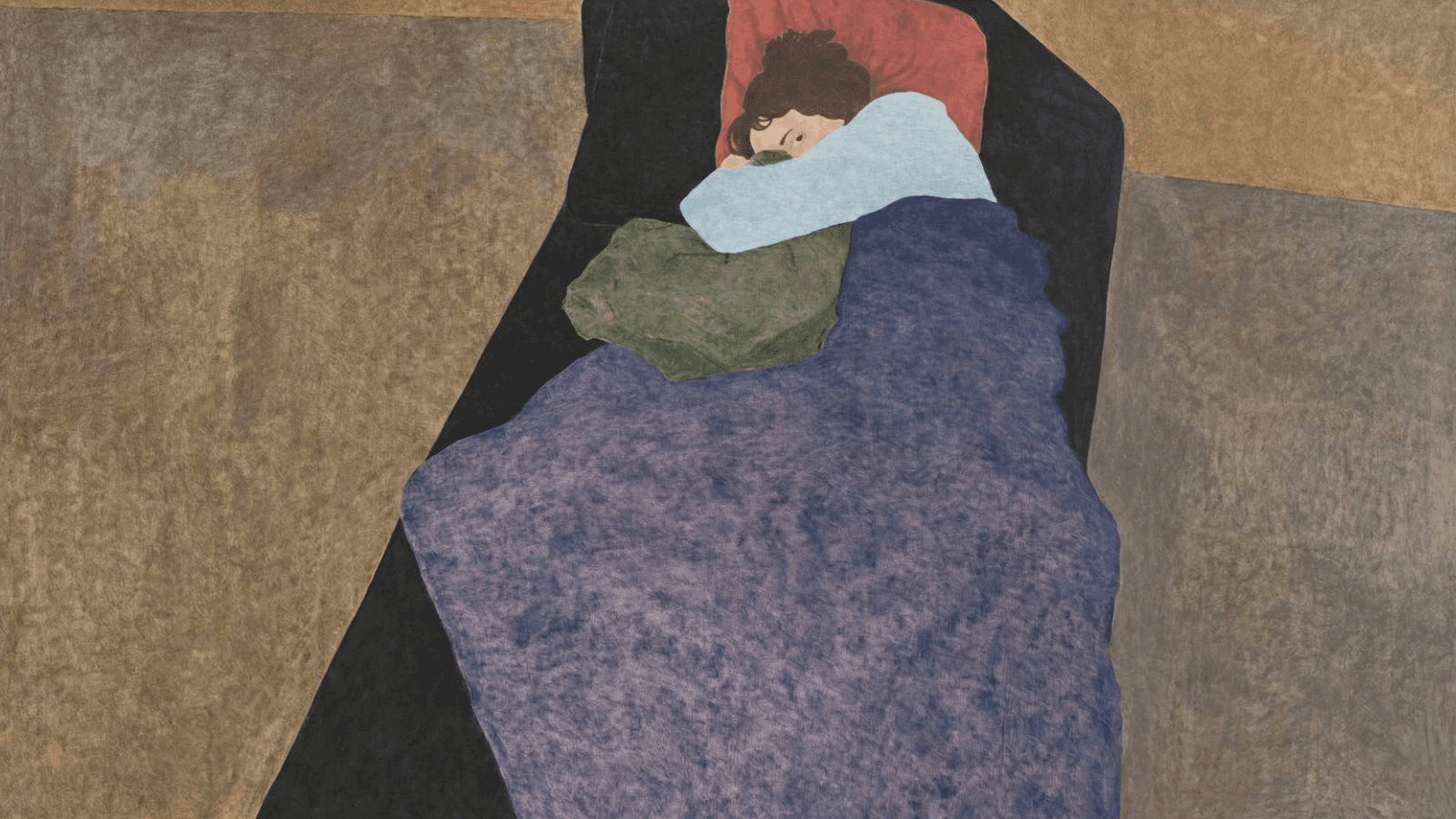
I lived in that "gray" phase for years. During my marriage, I’d gotten "comfortable," which is really just a polite way of saying I’d completely checked out on myself. I ate garbage to cope, I’d gained weight I didn't recognize, and my skin looked like I hadn't seen the sun in a decade. When the divorce happened—especially after finding out he cheated with my friend—I was a shell. I looked in the mirror and didn't see a person; I saw a survival response. Seeing these videos on your FYP feels like watching a jailbreak from a life that was slowly making you invisible.
People can't stop watching these because we’re hardwired to need proof that the "shell" phase isn't the final chapter. In a divorce, you rarely get a clean ending or a sincere apology. You have to manufacture that closure yourself through your own biology. Creators like [@kaylamalaney] and [@rebecca_fairchild] document this "un-becoming." They show that the physical change—the skin clearing, the inflammation dropping, the eyes brightening—is just the outward sign that the internal alarm has finally stopped ringing after years of white-knuckling through a bad situation.
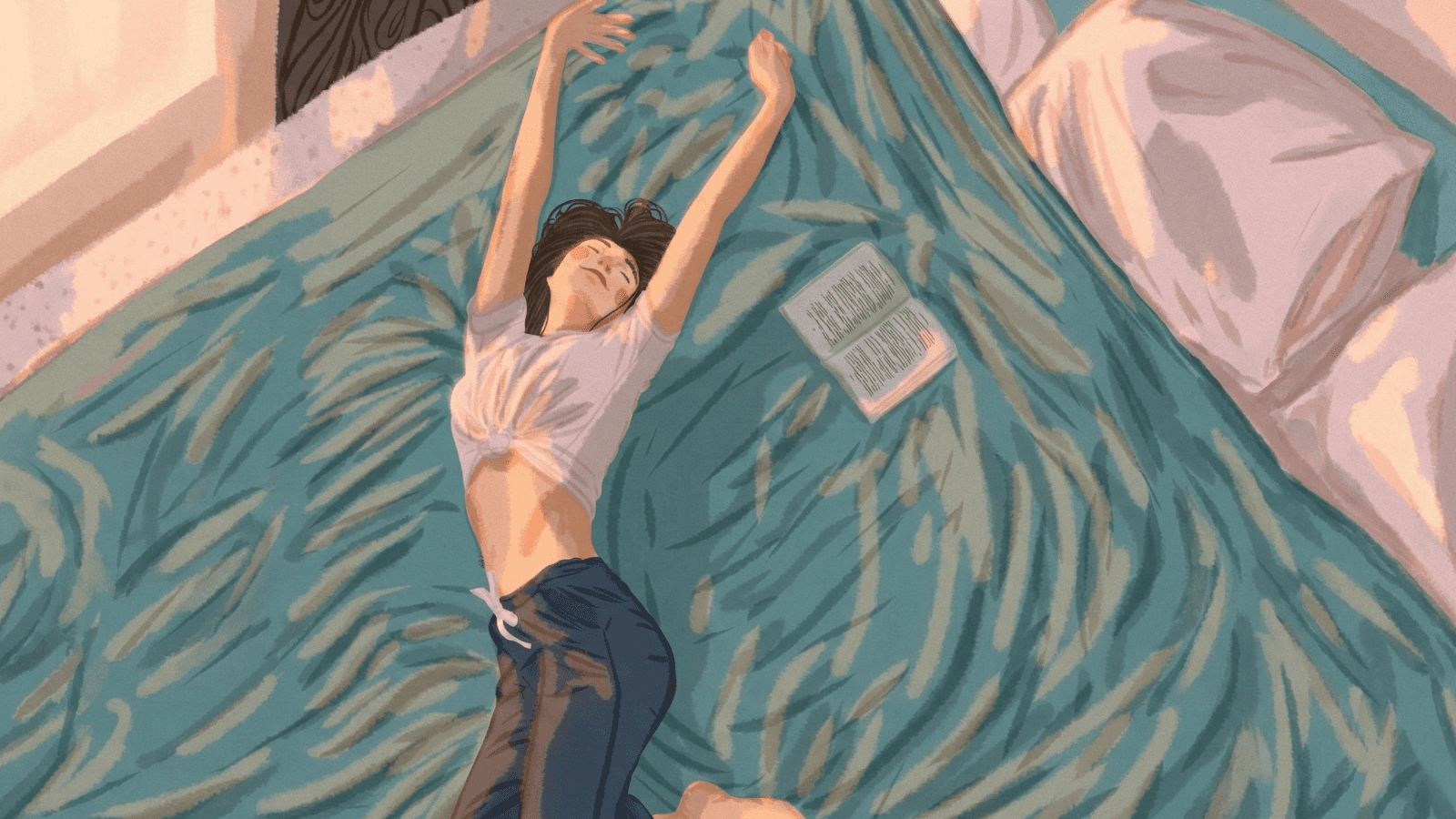
The shift is deeper than "looking hot." It’s about the girl who finally stops checking the clock at 3:11 AM with a racing heart. You see the raw grit of starting from zero in [@its_just_rebecca] and the high-energy pivot of [@thehouseofsequins]. [@nabela] touches on the "re-parenting" side of the process. It is a "Glow Back." You are reclaiming the version of you that existed before the neglect and the high-cortisol survival habits took over. You’re getting your personality back from the wreckage.
These 15-second transitions are a summary of a very long, very messy biological reset. It looks fast on a screen, but it’s actually about a thousand tiny decisions made in the dark. It’s choosing to eat a real meal when you’re too tired to care. It’s walking for twenty minutes when you’d rather disappear into the couch. It’s the slow process of training your jaw to stay unclenched even when you see a specific name pop up on your phone.