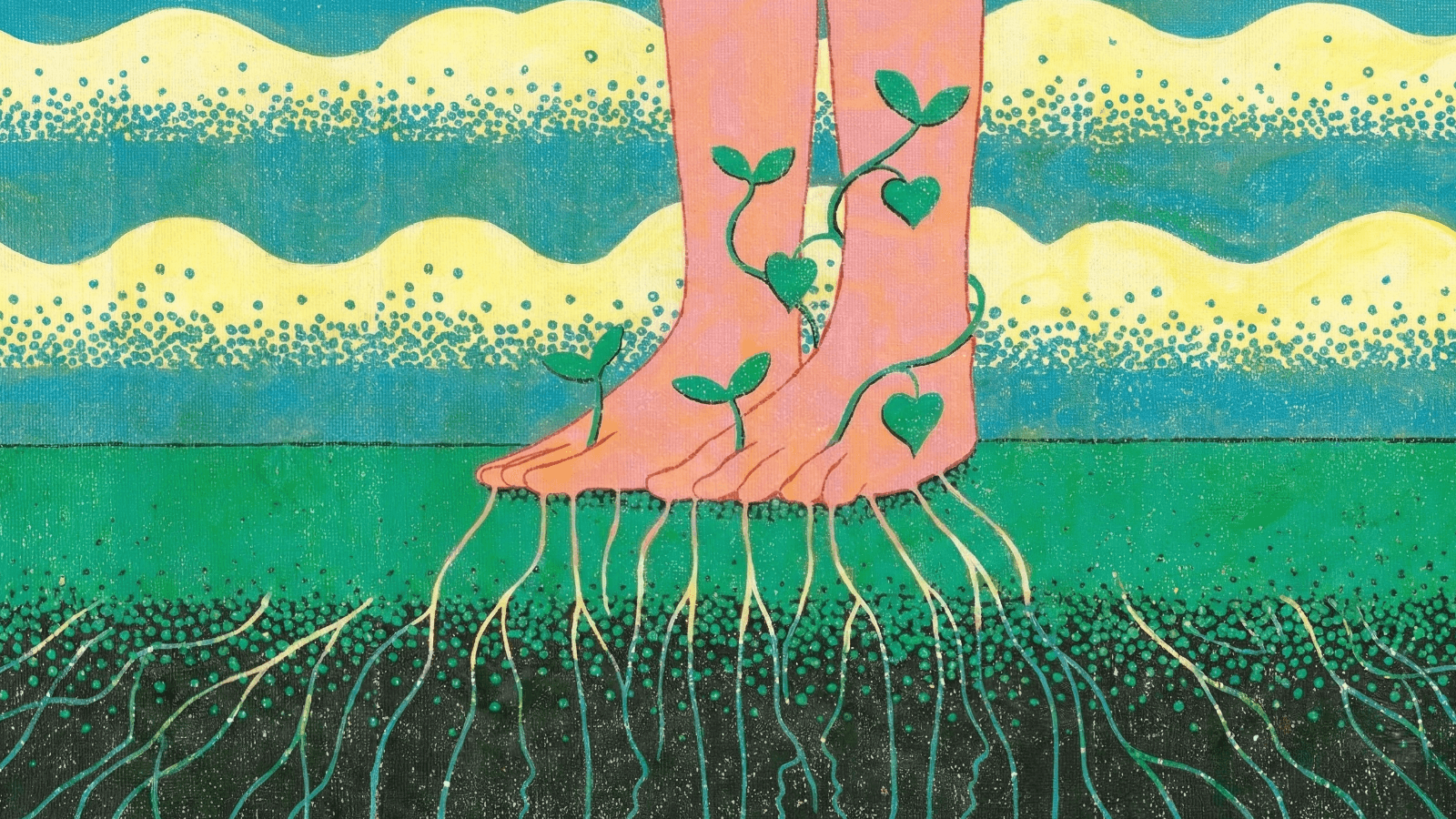
Healing vs. Distraction: Why You Might Feel Stuck Even When You’re "Doing Everything Right"
On the surface, healing and distraction can look almost identical. Both involve making changes to your routine, both offer a sense of relief, and both can temporarily quiet the noise of a recent breakup or a period of burnout. However, confusing the two is the primary reason many people find themselves "looping" for months—feeling like they’ve made progress only to have the same old pain rush back the moment things get quiet.
I remember a period after a major life shift where I filled every single hour with spin classes, "high-vibe" podcasts, and social plans. I told everyone I was "doing the work" because I was so busy improving myself. In reality, I was just terrified of the silence in my own apartment. I wasn't healing; I was just moving too fast for the pain to catch me.
The Illusion of Movement: What Distraction Looks Like
Distraction usually masquerades as productivity. It shows up as a sudden urge to fill every gap in your calendar, consume endless "educational" content, or socialize more than you ever have before. This creates a surge of novelty that overwhelms the nervous system just enough to numb the underlying discomfort.
The problem is that distraction is a temporary suppression of sensation. It pulls your attention away from the pain, but it doesn't actually process it. The moment the activity stops—when you’re lying in bed at night or sitting in traffic—the emotions return in the exact same shape they were in weeks ago. Your body hasn't learned anything new; it’s just been waiting for the noise to stop so it can finally signal for help again.
Healing Is a Biological Process, Not Just an Intellectual One
True healing isn't about "moving on"; it's about reorganizing how your body responds to the past. It is a biological shift where the nervous system slowly unlearns its "high alert" state. This doesn’t happen through "ah-ha" moments or reading the right quote; it happens through consistent regulation and integration.
Unlike distraction, healing often looks incredibly boring from the outside. It’s quieter and significantly slower. You’ll notice that your memories start to lose their emotional "charge" and your reactions to triggers begin to soften. When you are actually healing, your baseline energy stabilizes because your system isn't wasting all its fuel on internal bracing or scanning for the next emergency.
Why Distraction Disguises Itself as Self-Care
For many of us, staying busy was an early survival mechanism. If you grew up in an environment where being "productive" meant being safe, then slowing down feels like a genuine threat. This is why distraction often wears the mask of self-care.
If your "self-care" routine involves a checklist of twenty different things that leave you feeling exhausted rather than settled, you aren't repairing your system—you’re just maintaining the current state of stress. Awareness without regulation is just movement in the mind. To actually change the body, you have to allow for enough stillness that the system can recalibrate.
How to Tell Which State You’re In
If you aren't sure if you’re actually making progress or just running in place, look at your baseline rather than your mood. Ask yourself:
When the room goes quiet, does the discomfort return immediately with its original intensity?
Do your new habits feel like they require constant, grinding willpower, or are they starting to feel like a natural part of your day?
Do you feel "occupied" or do you feel genuinely settled?
Healing rarely announces itself with a dramatic transformation. Instead, it shows up as fewer emotional spikes and a decreased need to "escape" your own life. You don't necessarily feel like a brand-new person; you just feel like you can finally breathe again.
Building a System for Real Change
Lasting change only happens when the body is given the specific conditions it needs to settle. This is the core philosophy behind The Post-Breakup Glow-Up. It’s a 12-week system that ignores the "high-vibe" distractions and focuses entirely on regulation first. By stabilizing your physiology, we allow the visible change—the "glow"—to emerge as a byproduct of a system that actually works when things slow down.
If you’re ready to stop the cycle of constant restarts and build a foundation that holds even in the quiet moments, you can explore the system below.
[Explore the 12-Week Post-Breakup Glow-Up]