
Stress Bloating: Why Your Body "Holds On" When You’re Overwhelmed
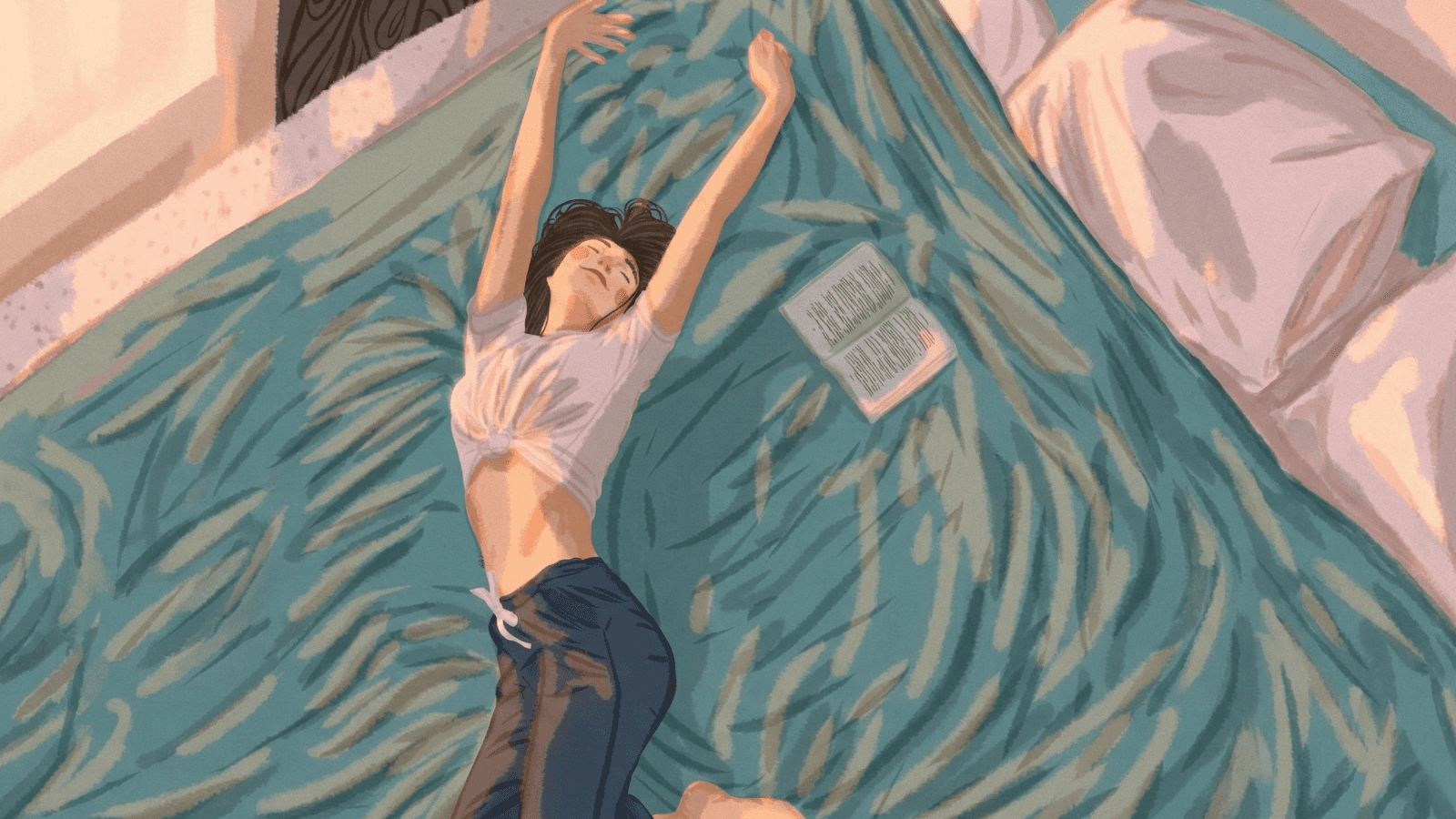
Stress bloating is incredibly frustrating because it feels so personal and unfair. You haven’t changed your diet, you haven’t "cheated" on your plan, yet you wake up and your stomach feels like a balloon, your rings are tight, and your face looks puffy in the mirror. It feels like your body is betraying you right when you need it to cooperate the most.
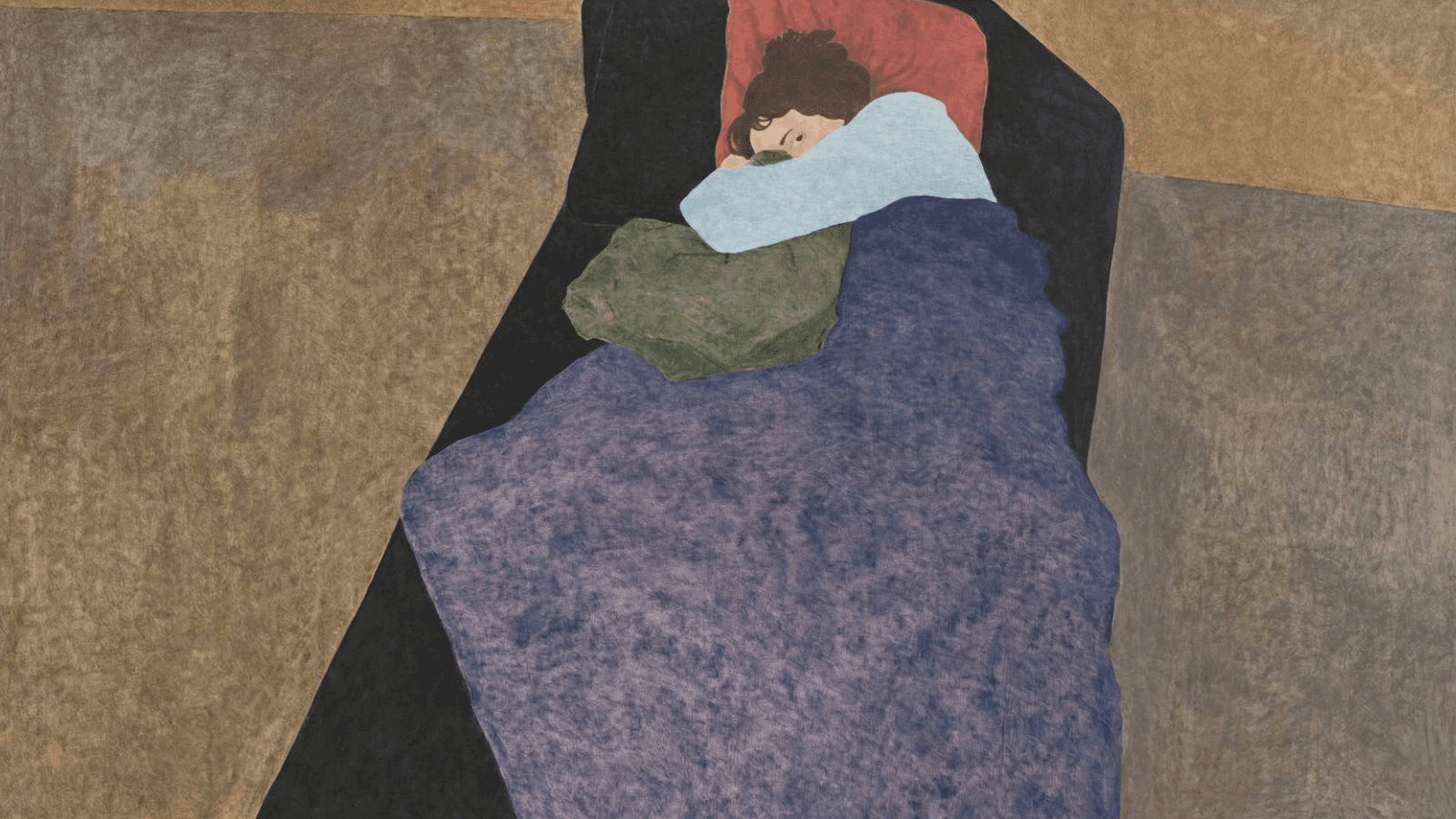
I remember this feeling vividly during the months after my divorce. I was already overwhelmed trying to navigate a life I hadn't planned for, and on top of the emotional weight, I felt physically heavy. I’d look at photos of myself from college—before I got "comfortable" in my marriage—and wonder where that version of me went. I tried to change by cutting out even more food, but the bloating just stayed. I didn't realize that my nervous system was stuck in a survival loop, and my body was quite literally "bracing" for impact.
Why Your Nervous System Triggers the Swelling
Under stress, your body shifts into a protection mode that completely changes how your internal systems function. It’s not just in your head; it’s a total physiological shutdown of non-essential tasks. Your body redirects blood flow away from your digestive tract and toward your muscles and brain so you can stay "alert." This means food moves through your gut significantly slower, allowing gas to accumulate and pressure to build. Even a simple salad can suddenly feel like a heavy, five-course meal.
At the same time, your stress hormones signal your kidneys to conserve sodium and water. This is a survival mechanism designed to keep your blood pressure up during a crisis, but in modern life, it just looks like visible swelling in your lower abdomen, hips, and face. This isn't fat gain; it’s fluid retention driven by a system that thinks it’s in danger.
The Shift in Breathing and Sensitivity
When we’re stressed, we stop breathing deeply into our diaphragms and start "chest breathing." This might seem minor, but that natural abdominal movement from deep breathing acts like a massage for your internal organs, helping move gas and fluid along. Without it, everything stagnates. Combine that with a heightened nervous system that makes your gut extra sensitive to every sensation, and you have the perfect recipe for that tight, inflamed feeling that won't go away.
Stress bloating is a signal that your system has moved from 'processing' to 'protecting.' The swelling is a byproduct of internal stagnation.
How Stress Bloating Differs From Food Intolerance
It’s easy to blame a specific food when you’re bloated, but stress-related swelling follows a distinct pattern. While food bloating is usually localized and happens right after a meal, stress bloating feels more widespread and inconsistent. It often worsens as the day goes on, regardless of what you eat, and it’s usually accompanied by that "tired but wired" feeling or general irritability.
"Your body isn't failing you; it's protecting you. The bloating is just a protective layer of fluid and tension that your nervous system hasn't been allowed to release."
The Danger of Restricting Food to "Fix" Bloating
The most common response to bloating is to skip a meal, cut out carbs, or aggressively slash your salt intake. In my experience, this is exactly what keeps the cycle going. When you skip meals or under-eat, your blood sugar drops, which triggers even more cortisol. Your body perceives this as more instability and continues to hold onto water and slow down digestion to conserve energy.
The bloating lingers because your body is still waiting for a signal that it’s safe to let go. You cannot starve your way out of a nervous system response. The system is responding to perceived instability, not to the calories you ate for lunch.
Consistency is the loudest signal of safety. Regular, predictable meals tell the body it no longer needs to conserve resources.
How to Help Your Body Release the Weight
To resolve stress bloating, you have to stop the "emergency" signals. This happens through regulation, not restriction. Once your stress hormones begin to decline, your lymphatic flow improves and that retained fluid finally starts to release. Most people notice a visible "depuffing" within 24 to 72 hours of focusing on stability.
Prioritize Regular Meals: Eating at predictable times prevents the blood sugar crashes that keep cortisol high.
Diaphragmatic Breathing: Even five minutes of deep, belly breathing can "restart" the movement in your digestive tract.
Gentle Walking: As we’ve discussed, rhythmic movement activates lymphatic drainage better than any supplement.
Consistent Sleep: Deep rest is the only time your body can fully transition out of "protection mode."
Stress bloating is a biological protective response, not a failure of willpower. If your stomach feels like a "black box" you can't solve, it’s time to stop restricting and start regulating.
This is exactly what we tackle in the first phase of the Post Break Up Glow Up Plan. The system is designed to settle your nervous system so your body finally feels safe enough to release the fluid and tension it’s been hoarding.
[Check out the 12-Week Plan here]